IN THIS ISSUE
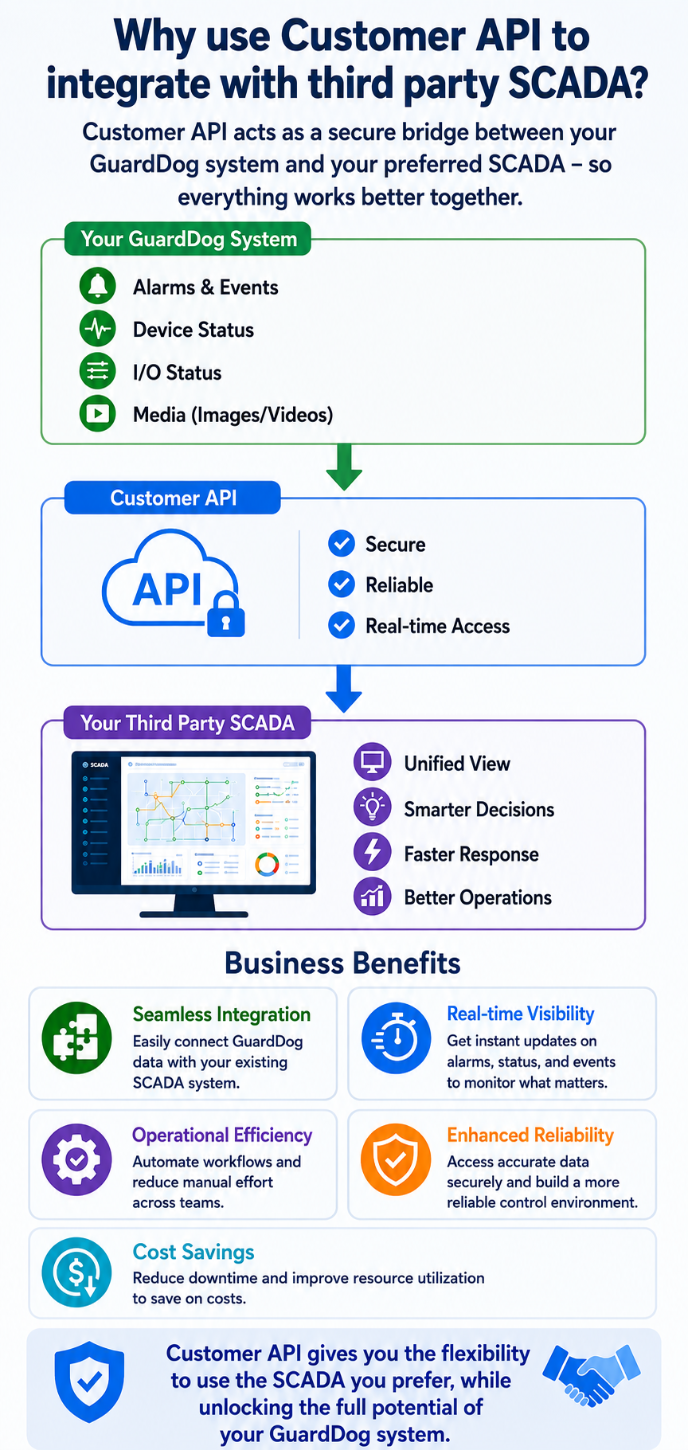
API Connection
Tips for Corrosion Mitigation
Siemens Radar Level SALE
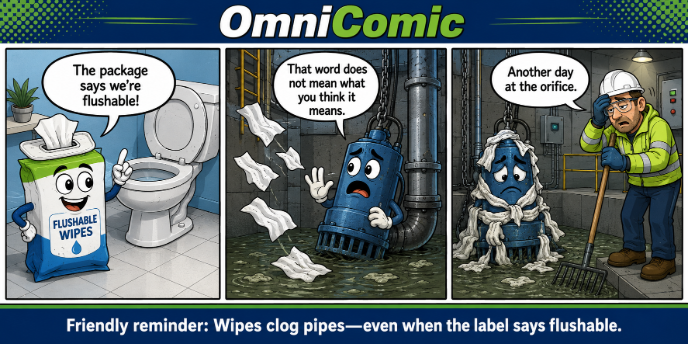
OmniComic
Communicate to 3rd Party SCADA
Do you have remote sites that you are unable to connect to your existing SCADA system simply because its cost prohibitive? OmniSite now offers an application program interface that allows alarms and data from existing OmniSite devices to be shared with your SCADA software.
Reach out to sales@omnisite.com for more information
Protecting Lift Station Control Panels from H2S Corrosion
Hydrogen sulfide, commonly associated with “sewer gas,” is a frequent and preventable cause of premature equipment failure in lift-station control panels.
Although H₂S may be present in the air surrounding a wet well, one of its most direct paths into a control panel is through the conduits carrying pump and sensor cables. Once inside the enclosure, the gas can corrode copper traces, terminals, wiring, starters, drives, switches, lights, and other electrical components. Sensitive electronics are often among the first devices affected because their copper circuits and connections are so small.
Three practical strategies can help protect your equipment:
- Seal conduits carefully
Use removable electrical duct seal in every conduit connected to the wet well. Pack the material completely around the cables and between individual conductors. Small openings can still provide a path for H₂S.
Electrical duct seal is generally easier to remove during future cable replacement than spray foam, silicone, or permanent conduit sealants.
- 2. Maintain positive pressure
A filtered fan blowing outside air into the enclosure can create positive pressure and help prevent H₂S from migrating into the panel.
Check the direction of existing cooling fans. A fan that exhausts air from the enclosure may create negative pressure, drawing sewer gas through conduit openings and unfiltered air through enclosure gaps. For effective cooling and pressurization, consider locating the filtered intake fan near the bottom of the panel with an exhaust vent near the top.
- 3. Break the conduit path
For new installations and major station upgrades, consider incorporating an air gap beneath the enclosure. Conduits can terminate above the concrete, with cables entering the elevated panel through weather-tight cord grips.
This design breaks the direct pathway from the wet well while making cable removal, replacement, and storage easier.
What OmniSite testing showed
OmniSite evaluated both properly installed duct seal and positive-pressure ventilation using copper samples placed inside two lift-station control panels. Samples exposed before mitigation showed significant discoloration and corrosion. After the improvements were installed, the new samples showed substantially less visible corrosion over a comparable exposure period.
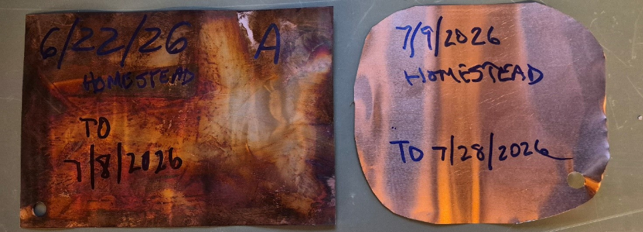
Before Mitigation After Mitigation
The takeaway
Protective coatings and dielectric grease can help defend electronic equipment, but the most effective approach is to prevent H₂S from entering the enclosure. A careful inspection of conduit seals and fan direction can be a small maintenance task that delivers meaningful long-term protection.
Reducing H₂S exposure can extend equipment life, prevent avoidable downtime, and improve the overall reliability of your lift station.
SIEMENS RADAR LEVEL ON SALE
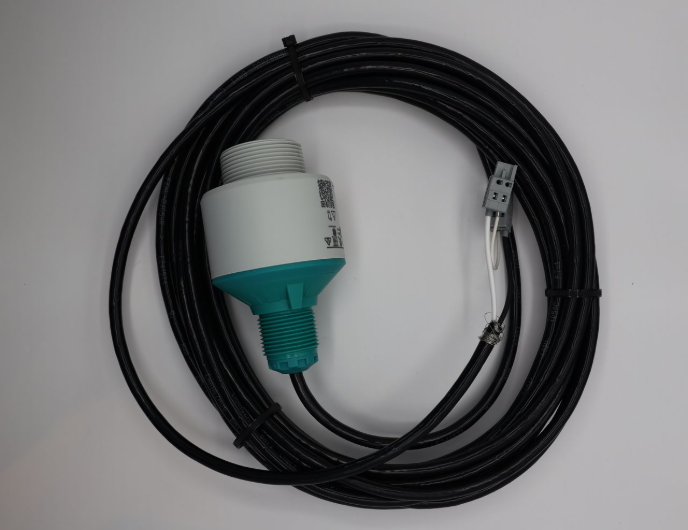
Purchase Radar Level for $750
The Siemens radar level with 26 ft cable length is on sale for $750.00, a deal you cannot beat! Email sales@omnisite.com to purchase yours today. Limited supply, grab yours now!